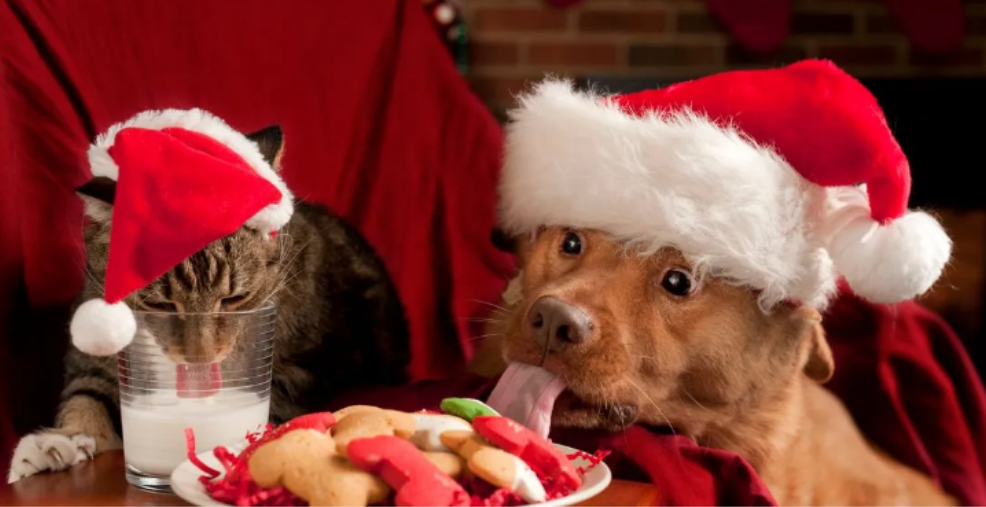
Every December, vet clinics across Australia brace for what we call the Christmas Rush. The festive season is full of joy, family and indulgence, but for pets it brings a unique mix of risks: tempting leftovers, decorations that look like toys, chaotic households, hot weather, and routines turned upside down.
At Maraboon Vet Clinic, our goal is to help you enjoy a safe, calm and happy Christmas with your pets, while keeping them far away from emergency vet care.
Why Vet Clinics Get Busier Over Christmas
Several factors come together at this time of year:
- Christmas Leftovers & Excessive Treats:
Pets often get “special snacks” or clean up under the table. Rich meats, fatty scraps, gravies and desserts lead to vomiting, diarrhoea, toxicity and pancreatitis, one of the most common Christmas emergencies!
- Holiday Stress & Routine Changes:
Visitors, travelling, kids home from school, busy kitchens, noise and open doors, pets become anxious or overstimulated and are far more likely to get into trouble such as raiding rubbish, eating decorations or sneaking food.
- Unfamiliar Or Toxic Festive Foods:
Christmas dishes are full of ingredients pets don’t normally encounter, spices, sweeteners, nuts, rich sauces and cooked bones. Many are toxic or hazardous.
- Summer Heat:
Hot weather, BBQs and outdoor gatherings increase the risk of heatstroke, dehydration and exposure to parasites or hazards around the yard e.g. snakes bites
Common Christmas Foods & Why They Can Cause Emergencies
Here’s why so many festive foods are dangerous and why Christmas Day often ends with emergency vet visits.
These foods can cause poisoning, organ damage or life-threatening illness:
- Chocolate: theobromine causes vomiting, tremors, seizures, heart problems.
-
Grapes, raisins, sultanas & dried fruit: found in fruitcake, mince pies and puddings. Can cause acute kidney failure.
-
Xylitol (artificial sweetener): found in sugar-free lollies, desserts and some baked goods. Can cause hypoglycaemia and liver failure.
-
Onions, garlic, leeks, chives: damage red blood cells and cause anaemia.
-
Macadamia nuts: cause weakness, tremors, vomiting and toxicity.
-
Alcohol: even small amounts can depress the nervous system.
-
Raw rising dough: expands in the stomach and produces alcohol as it ferments.
High-Fat Foods That Trigger Pancreatitis
Fatty meats and rich holiday dishes are some of the biggest causes of Christmas hospital admissions:
|  |
Why This Matters:
Pancreatitis is a painful inflammation of the pancreas. When pets eat rich, fatty food, digestive enzymes can activate too early, damaging internal organs.
There is no quick fix. Treatment involves hospitalisation, fluids, pain relief and sometimes intensive monitoring.
Signs of Pancreatitis
-
Vomiting
-
Diarrhoea
-
Lethargy
-
Abdominal pain or "prayer position"
-
Loss of appetite
If you notice these signs, contact a vet urgently.
Bones, Rubbish & Non-Food Hazards
Christmas brings plenty of non-food risks too:
-
Cooked bones: splintering and choking, perforations or blockages.
-
Tinsel, ribbons, string & decorations: can cause intestinal obstruction if swallowed.
-
Electrical cords & fairy lights: risk of burns or electrocution.
-
Toxic plants (e.g., some lilies, mistletoe): dangerous if chewed or ingested.
-
Open bins & wrapping paper: easy access to food scraps and foreign objects.
-
Dog fights (especially when visiting family or introducing unfamiliar pets): stress and overstimulation can quickly lead to injuries.
-
Heat stroke: hot Australian summer weather puts pets at high risk of overheating, especially during outdoor gatherings.
-
Snake bites: snakes are more active in summer, and bites can cause rapid, life-threatening symptoms.
Safe Ways to Include Your Pet in the Festivities
-
Offer pet-safe treats: plain cooked chicken/turkey breast (no skin, no fat), carrots, green beans.
-
Tell guests not to feed scraps.
-
Keep rubbish and leftovers secured in pet-proof bins.
-
Provide a quiet retreat for nervous pets.
-
Supervise pets around decorations, food and children.
A Christmas Message from Maraboon Vet Clinic
At Maraboon Vet Clinic, we want your holidays to be full of joy, not emergency visits. By being mindful of festive food hazards and planning ahead, you can help your pets stay safe, comfortable and healthy this Christmas.
If you’re ever unsure whether something your pet ate is dangerous, or if you spot any worrying symptoms, call us right away on 07 4987 6800. A quick check can prevent a serious emergency. If you are away for Christmas, write down your closest vet clinic offering after-hours services in the event of a pet emergency.
From everyone at Maraboon Vet Clinic, we wish you, your family and your furry friends a safe, happy and peaceful Christmas and New Year.
