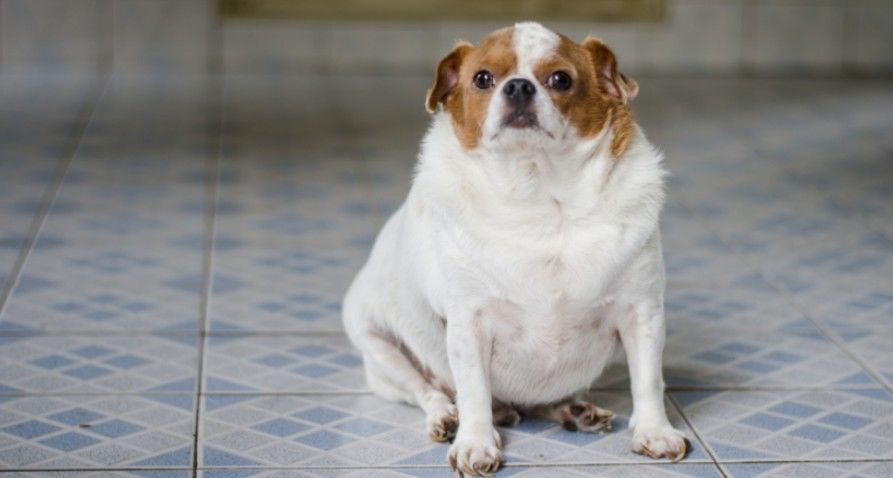
Have you ever wondered if your pet might be carrying a little extra weight? You’re not alone. Pet obesity is one of the most common and often overlooked health problems we see in veterinary practice today.
While a few extra kilograms may seem harmless, excess weight can significantly reduce your pet’s quality of life and shorten their lifespan. In fact, studies suggest that over 50% of dogs and cats are overweight or obese, meaning more than half of the pets visiting veterinary clinics are at risk of weight-related health issues.
What Is Pet Obesity?
A pet is considered overweight when they are 10–20% above their ideal body weight and obese when they are more than 20% above their ideal weight.
Veterinary professionals assess this using a Body Condition Score (BCS) – a simple and effective way to evaluate whether your pet is underweight, ideal, or overweight.


A healthy pet should have ribs you can feel (but not see prominently), a visible waist from above, and a gentle tuck in their abdomen from the side. This is what we aim for when assessing an ideal body condition score (4–5/9).
Why Is Maintaining a Healthy Weight So Important?
Excess weight places strain on almost every system in the body. Some of the most common conditions linked to obesity include:
-
Arthritis and joint disease
-
Diabetes
-
Heart and respiratory problems
-
Reduced mobility and exercise tolerance
-
Skin conditions
-
Increased anaesthetic risk
-
Shortened lifespan
Some breeds, such as Dachshunds, are particularly prone to back problems, making it especially important to keep them at a lean, healthy weight.
Maintaining a healthy weight isn’t just about appearance, it’s essential for your pet’s overall wellbeing and longevity.
Why Is My Pet Gaining Weight?
In most cases, weight gain comes down to an imbalance between calorie intake and energy use. However, several factors can contribute:
-
Overfeeding - portion sizes are often larger than necessary, and measuring cups can be inaccurate.
-
Treats and table scraps - these can add significant extra calories, sometimes more than owners realise!
-
Lack of exercise - indoor lifestyles, busy routines and reduced activity all play a role.
-
Age and metabolism - older pets are generally less active and require fewer calories.
-
Desexing - desexed pets often have lower metabolic rates, meaning their calorie needs decrease.
-
Medical conditions - issues such as hypothyroidism or Cushing’s disease can contribute to weight gain. If your pet is gaining weight despite appropriate diet and exercise, a veterinary check is recommended.
How Can I Tell If My Pet Is Overweight?
Weight gain can happen gradually, making it easy to miss. Some common signs include:
-
Difficulty feeling your pet’s ribs
-
Loss of a visible waist
-
Reduced stamina during walks or play
-
Reluctance to exercise
-
Heavy breathing after mild activity
If you’re unsure, a quick weight check with your vet or nurse can provide clarity.
How Can I Help My Pet Lose Weight Safely?
Helping your pet reach a healthy weight requires a consistent and balanced approach:
-
Measure meals accurately - avoid estimating portion sizes, small differences can add up. It’s recommended to use digital kitchen scales to measure food accurately.
-
Use feeding guides as a guide – feeding recommendations on pet food packaging are a great starting point, but they should be adjusted based on your pet’s individual needs. Monitoring body condition and weight is essential to ensure the right amount is being fed.
-
Veterinary weight-management diets help reduce calories while maintaining proper nutrition. Senior diets may also be beneficial for pets over 7 years of age, as their energy and nutritional needs change with age.
-
Treats should account for no more than 10% of your pet’s daily calorie intake. Opt for healthier alternatives like blueberries, strawberries, or carrots for a lower-calorie option.
-
Increase exercise - regular walks, play sessions and enrichment activities help burn calories and improve fitness.
-
Monitor progress - regular weight checks ensure safe and steady progress.
Why Professional Guidance Matters
Weight loss in pets should always be gradual and carefully managed, especially in cats.
Rapid weight loss can be dangerous and may lead to a serious condition called hepatic lipidosis (fatty liver disease).
Veterinary professionals can design a safe, structured plan, typically aiming for:
-
Dogs: 1–2% body weight loss per week
-
Cats: 0.5–1% per week
This ensures fat loss occurs safely without impacting vital organs.
When Should I Seek Professional Help?
You should consider booking a consultation if:
-
Your pet is gaining weight despite controlled feeding
-
Your pet has existing health conditions (e.g. arthritis, diabetes, heart disease)
-
You’re unsure what or how much to feed
-
Your pet needs to lose a significant amount of weight
-
You’re not seeing progress despite making changes
Early support can make a significant difference and helps prevent long-term complications.
We’re Here to Help
Managing your pet’s weight doesn’t have to feel overwhelming. Our team at Maraboon Vet is here to support you every step of the way.
We offer personalised weight management plans, regular weight checks, and ongoing guidance to help your pet safely reach and maintain a healthy weight. Whether you’re just starting out or not seeing progress, our vets and nurses can provide practical, tailored advice to suit your pet’s needs.
If you’re concerned about your pet’s weight or would like some advice on diet and feeding guides, contact Maraboon Vet Surgery on 07 4987 6800 to book a weight check or speak with one of our friendly team.